

glass pool panels
Understanding Spline Go/No-Go Gauges A Comprehensive Overview In the field of precision engineering, the need for accurate measurement and validation of component dimensions is paramount. One essential tool in this regard is the spline go/no-go gauge. This specialized gauge is designed to ensure that spline features—used extensively in mechanical systems for power transmission and alignment—meet specific dimensional standards. This article provides an in-depth look at spline go/no-go gauges, their purpose, design, and application, as well as their significance in quality control processes. What is a Spline Go/No-Go Gauge? A spline go/no-go gauge is a device used to check whether a spline fits within specified tolerances. Splines are ridges or teeth on a shaft that assist in transmitting torque and aligning components. The go/no-go gauge consists of two parts the go gauge and the no-go gauge. The go gauge is designed to fit onto the spline if it is manufactured correctly, indicating that it meets the minimum tolerance specifications. Conversely, the no-go gauge is meant to not fit onto the spline if it is within acceptable tolerances. If the no-go gauge does fit, this signifies that the spline is out of tolerance, which could lead to performance issues or failure in coupling the necessary components. The Importance of Go/No-Go Gauges Quality control is crucial in manufacturing processes, particularly in industries such as automotive, aerospace, and machinery, where component failures can have severe consequences. Spline go/no-go gauges play a significant role in maintaining quality by facilitating rapid inspection. These gauges provide a clear and straightforward binary result—the presence or absence of fit—allowing operators to quickly ascertain whether components conform to specifications. Using go/no-go gauges also reduces human error in measurement processes. Traditional measurement tools like calipers or micrometers require careful handling and interpretation of readings, which can introduce variability in outcomes. In contrast, the simplicity of the go/no-go design means that the operator can easily determine compliance without complex calculations. Design and Construction spline go no go gauges The design of spline go/no-go gauges can vary significantly based on the application and the specific spline profiles being measured. They are typically made from high-strength materials such as hardened steel or carbide to ensure durability and maintain precision over time. The gauging teeth must be meticulously shaped to match the profile of the spline being tested—whether it is involute, square, or some other form. A well-engineered spline gauge will come with clear markings indicating the go and no-go sections to avoid any confusion during inspections. Additionally, many manufacturers incorporate features that allow for easy handling and use, such as ergonomic grips and protective casings, which help prolong the life of the gauges. Applications of Spline Go/No-Go Gauges Spline go/no-go gauges are widely used across various industries. In automotive manufacturing, for example, they are crucial for verifying the dimensions of axle shafts and gear couplings, which need precise fits to ensure functionality and safety. In aerospace, these gauges can be used to inspect connecting components within engines and other systems where precision is critical. In the realm of general machinery, spline gauges help in validating parts used in gear transmissions and conveyor systems, among others. By ensuring that these components are produced within acceptable tolerances, manufacturers can reduce the risk of mechanical failures and enhance the reliability of their products. Conclusion In summary, spline go/no-go gauges are vital tools in the arsenal of precision manufacturing, ensuring that spline features meet stringent industry standards. Their simplicity, reliability, and efficiency make them indispensable for quality assurance processes. As technology continues to advance, the design and functionality of these gauges may evolve, but their fundamental role in ensuring precision will remain critical to the success of manufacturing operations across various sectors. Adopting efficient inspection methodologies, including the use of go/no-go gauges, enhances the overall quality and performance of engineered systems, reinforcing the importance of precision in today’s competitive manufacturing landscape.
about
glass pool panels
Choosing the Right Gate Valve Supplier A Comprehensive Guide When it comes to industrial applications, the importance of a reliable gate valve cannot be overstated. As crucial components in controlling fluid flow, gate valves are designed to open and close fluid pathways. Choosing the right gate valve supplier is paramount for ensuring quality, performance, and timely delivery. In this article, we will explore the key factors to consider when selecting a gate valve supplier, along with the benefits of partnering with a reputable company in this field. 1. Quality and Certification First and foremost, the quality of the gate valves should be a primary consideration. A reputable supplier should provide products that meet or exceed industry standards. Certifications such as ISO 9001, API 602, and others relevant to the industry are indicators of a supplier's commitment to quality. It is advisable to inquire about the materials used in manufacturing the valves, as well as the testing processes they employ to ensure reliability and durability. 2. Diversity of Product Range A good gate valve supplier should offer a diverse range of products to cater to various applications. This includes different sizes, materials (such as stainless steel, cast iron, and bronze), and pressure ratings. A varied product line can simplify your procurement process, allowing you to source multiple types of valves from a single supplier. This not only saves time but also fosters a stronger supplier relationship. 3. Technical Expertise and Support The complexity of industrial applications often necessitates expert knowledge. When selecting a gate valve supplier, consider their level of technical expertise. Suppliers should have experienced engineers who can provide valuable insights and recommendations tailored to your specific needs. Additionally, access to technical support during installation and maintenance can be a significant advantage. 4 . Lead Time and Delivery Reliability gate valve supplier In the manufacturing world, time is often of the essence. Delays in the supply chain can lead to costly downtimes. When evaluating potential gate valve suppliers, inquire about their lead times and delivery reliability. Suppliers with streamlined operations and efficient logistics can help ensure that you receive your products on time, allowing you to meet production schedules without interruptions. 5. Customer Reviews and References Research plays a vital role in finding a trustworthy supplier. Look for customer reviews and testimonials that can provide insight into the supplier’s reputation and service quality. An established supplier should be willing to provide references from previous clients. Listening to the experiences of others can help you make a more informed decision. 6. After-Sales Support and Warranty After-sales service can enhance the value of your investment. A good gate valve supplier will offer a comprehensive warranty on their products, providing peace of mind. Furthermore, inquire about their after-sales support, including maintenance services, replacement parts availability, and assistance with any issues that may arise after the purchase. 7. Pricing Consideration While price should not be the sole deciding factor, it is essential to consider it in conjunction with quality and service. Cheap valves from an unreliable supplier may end up costing more in repairs and replacements over time. Seek quotes from multiple suppliers and compare them, ensuring you weigh the value against the cost to find a supplier that offers the best overall proposition. Conclusion Partnering with the right gate valve supplier is integral to your operational success. By prioritizing quality, product range, expertise, delivery reliability, customer feedback, after-sales support, and pricing, you can make an informed choice that meets your industrial needs. In today’s competitive market, establishing a strong relationship with a reliable supplier will not only enhance your efficiency but also significantly contribute to the sustainability of your operations. Make your selection wisely, and enjoy the benefits of seamless fluid control in your applications.
-

High quality industrial productsagement

High quality industrial products
View Details -

Meet the diverse needs of customers

Meet the diverse needs of customers
View Details -

Strict quality control

Strict quality control
View Details -

Top raw materials

Top raw materials
View Details -

Trusted supplier

Trusted supplier
View Details
Our application
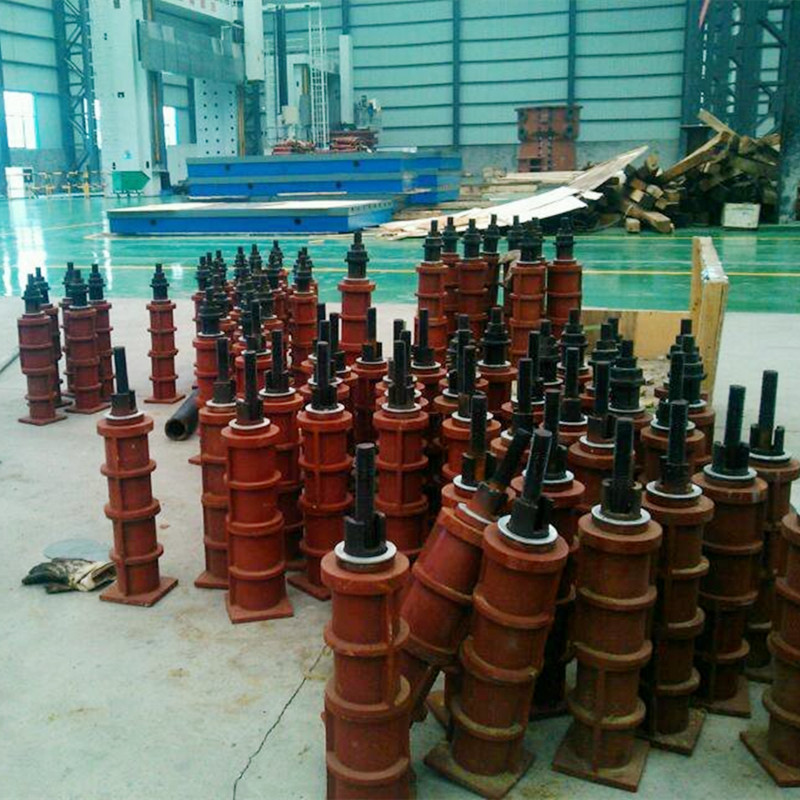



news and information
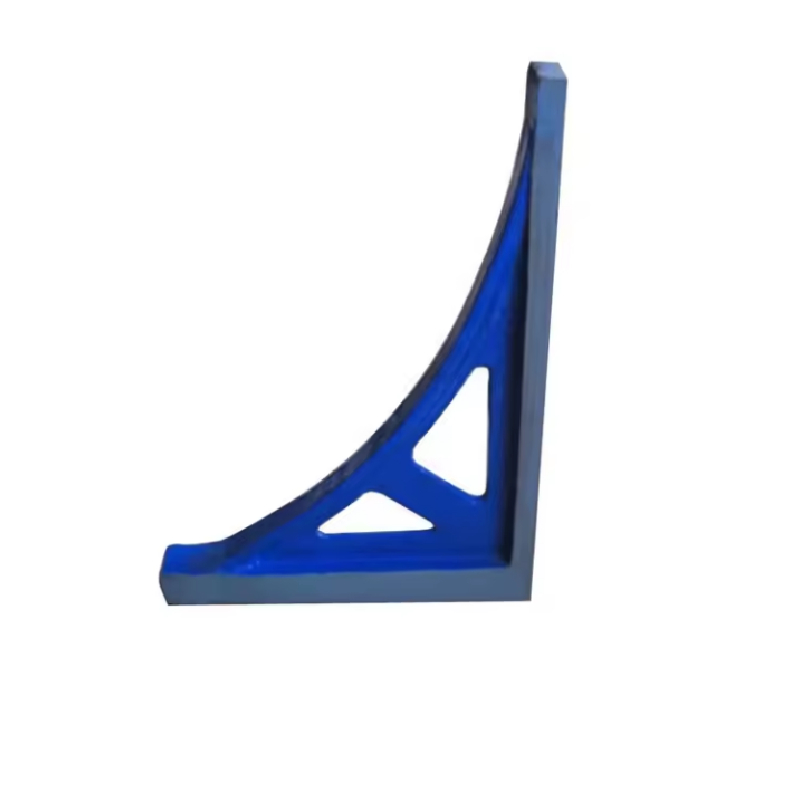
welding table 4x8
Welding Table 4x8 A Vital Tool for Every Welder In the world of metalworking, a sturdy and functiona
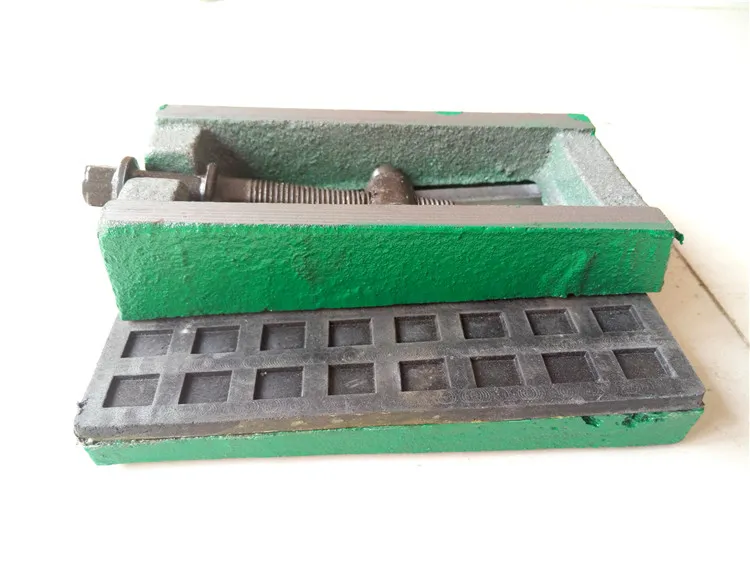
vee blocks for sale
VEE Blocks for Sale The Future of Sustainable Building Solutions In the contemporary era of construc

Y Type Suction Strainer Overview and Applications in Fluid Systems
Understanding Y-Type Suction Strainers A Vital Component in Fluid Systems In various industrial appl
 English